

Homesteading
Tips on how to Maximize Your Backyard by way of Small House Gardening

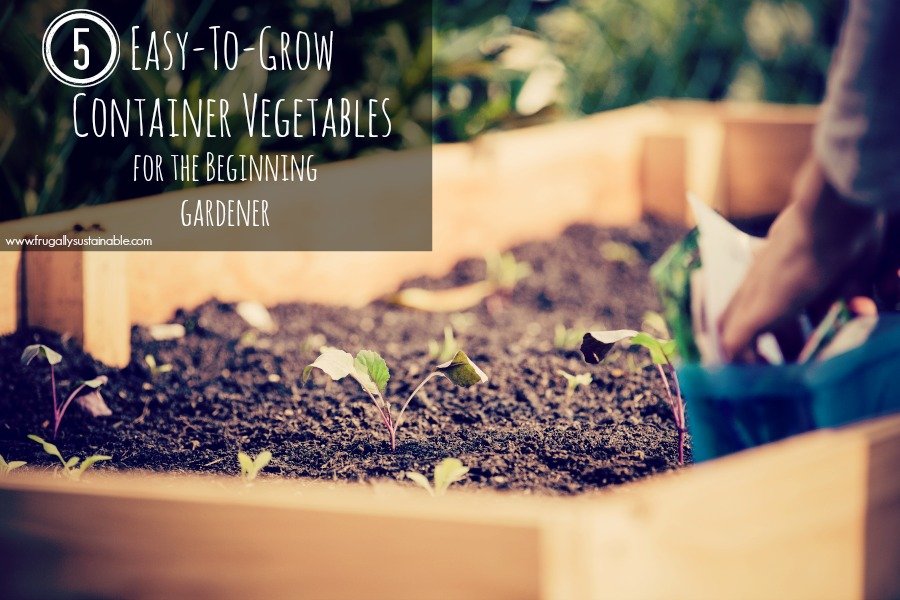
In our society, rising meals your self has turn into essentially the most radical of acts. It’s actually the one efficient protest, one that may—and can—overturn the company powers that be. By the method of straight working in concord with nature, we do the one factor most important to alter the world—we modify ourselves.
-Jules Dervaes
House — or the dearth there of — ought to not often ever detract from our means to develop meals.
I can consider only some issues extra pleasant than gardening. Even from the times of my youth, I’ve vivid recollections of begging my Mother to take me to the native nursery to purchase a couple of tomato crops and as many seeds as I might get my fingers on! Outdoors in a tiny yard backyard — with my fingers within the dust, nurturing crops that may in flip nourish my household — was the place I discovered peace and considered one of life’s best pleasures.
Right now, I’m a great distance away from the wealthy soil and beneficiant land numerous Northeast Georgia. The poor desert soil and small out of doors residing house of my Arizona residence has taught me the inventive artwork of container gardening.
Maybe you too are restricted by poor soil, house, and/or a mixture of the 2…
…be inspired, there are many methods to maximise your harvest and develop nutrient-dense meals.
In my very own life, I’ve tailored and achieve this by ::
- increasing gardening house in all doable areas (i.e. the entrance yard, the yard, edible panorama — ‘develop meals not lawns’)
- using container gardening strategies with pots and small raised beds
- utilizing vertical house (i.e. Develop pole beans as a substitute of bush beans. Or create a trellis in your vine crops like cucumbers and squash.)
Suggestions for the Starting, Small House Gardener
All the things I’ve realized about gardening, I’ve realized by way of studying about rising cycles + gardening fundamentals, taking to different gardening fans, and easy trial and error. And fortunately, kitchen gardens — whereas susceptible to being forgotten — are experiencing revival.
Learn Extra :: Raising with the Moon — The Complete Guide to Gardening and Living by the Signs of the Moon
Rising greens…even when it’s solely ONE is an extremely radical act of independence!
Now, let me share with you a couple of methods to insure that you simply get essentially the most out of your backyard this season ::
- Create a customized design in your backyard. Everybody’s backyard seems totally different. And as we’ve established, it relies upon largely on the quantity of house you’ve. Some could possibly put in giant rows of crops, whereas others like us will make the most of some type of container instituting the Square Foot Gardening, or Vertical Gardening Methods. Probably the greatest on-line gardening instruments, Smart Gardener, can assist you manage your crops and maximize your yield in the house you’ve…irrespective of how huge or small.
- Develop crops from seed as a lot as doable. This alone offers an enormous financial savings! Whereas buying transplants from the nursery or native ironmongery store is a viable choice…it can save you practically 80-90% of the value by rising the crops your self from seed. Need assistance figuring out when to begin your seeds? Look here to seek out your greatest planting date for seeds. I additionally love this What to Plant Now tool. (Be aware :: My most favourite seed firm is High Mowing Seeds. They’ve nice an incredible collection of easy-to-grow seeds for small space gardens.)
- Purchase low cost — or upcycled — gardening provides. Please don’t fall prey to the over-priced, gimmicky backyard provides bought in catalogs and within the shops. Recycle, or purchase secondhand, as a lot as doable. Seeds will be began in egg cartons, yogurt containers, water bottles, or milk jugs. All the raised beds I’ve each had, have been constructed from wooden discovered by the dumpster or salvaged. Buckets make nice grown containers. Examine on Craigslist and store yard gross sales for used pots and backyard instruments.
- Select what you’ll develop fastidiously. Take time to significantly contemplate your rising house, and the yield that you simply’re aiming for, then select the greens you’ll develop accordingly. For instance, I’ve a really small rising house; due to this fact, rising a big broccoli plant that can yield sufficient for one small snack simply doesn’t make sense once I might use the identical space to develop Swiss chard which can produce a steady harvest all season lengthy.
- Develop what you eat essentially the most of. Take stock of the meals that you simply and your loved ones eat most continuously…and develop these. Suppose too of these meals which can be straightforward to can, ferment, dehydrate, or freeze.
- Develop organically. After years of gardening, I do know the greens which have all the time been tough to develop on account of their sensitivities to fungi, bugs, and pests. Nevertheless, studying the best way to companion plant has revolutionized the way in which I do issues. There’s no want for chemical compounds — even the natural ones. (Learn extra :: How to Make Your Own Organic Insecticide Spray)
- Use mineral-dense, residing soil. When rising greens, particularly when rising in containers, it’s critical to make use of residing soil — soil filled with viable microbes, minerals, and magic! Look regionally for soils appropriate for containers that include issues corresponding to earthworm castings, peat moss, and fish meal.
- Water. Water will be the make-it or break-it in terms of container gardening. Utilizing a municipal water supply (can anybody say chlorine) to water your container greens is a surefire approach to destroy your rising efforts. I use this water filter hooked up to my backyard hose always when watering my crops.
5 Straightforward-to-Develop Container Greens
With a honest hope for a bountiful blessing this season…
…listed below are my 5 favourite container greens for starting gardeners. Every are straightforward to begin from seed — or buy as begins from a neighborhood nursery — and can develop joyfully in containers in your patio, in your driveway, in your doorstep…wherever you discover house.
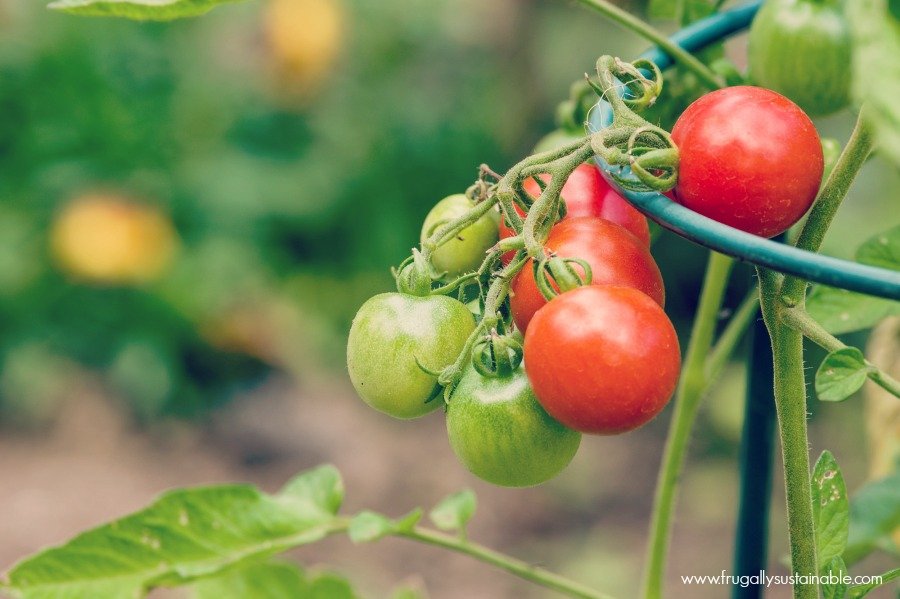
- Tomatoes. The best, best varieties that I’ve grown have been the smaller cherry, grape, and roma tomato. They’re good for small areas! (I love these.)
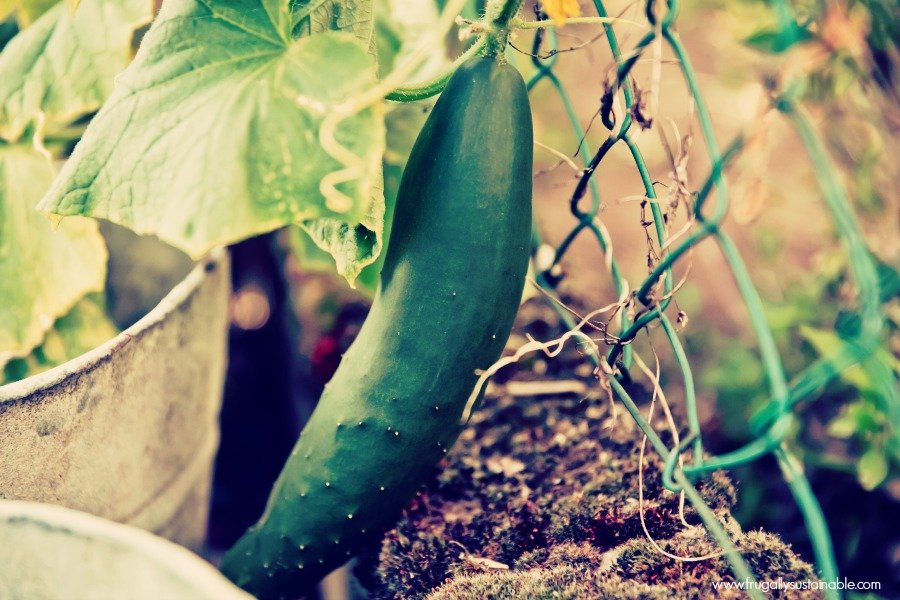
- Cucumbers. Rising cucumbers vertically in pots — utilizing a trellis or tomato cage — has confirmed to be SUPER efficient, producing distinctive quantities of contemporary cukes. 2-3 crops in a bigger 16″-20″ pot can yield loads of pickles! (These are the cucumbers I grow.)
- Squash. Zucchini and summer squash develop exceptionally effectively in containers and supply wonderful quantities of meals! I really like zucchini noodles…and in the course of the months of harvest, I’ve my fill! (This zucchini is so easy to grow!)
- Beans. Inexperienced beans are splendidly productive…and who doesn’t love a residing teepee?!?! I really like rising inexperienced bean teepees in my patio backyard! They’re a lot enjoyable, very easy to develop, and a beautiful place in your backyard fairies to remain for the season! A big 20″ pot is large enough to assemble a trellis utilizing bamboo rods to help the vertical progress of pole beans corresponding to the Kentucky Wonder.
- Greens. Greens corresponding to spinach, swiss chard, and kale can produce for months and months when grown in containers! By slicing the outer leaves solely as wanted, the crops will present an limitless provide of nutrient-dense meals! (This rainbow chard + lacinato kale + corvair spinach have ALWAYS grown effectively for me!)
Now it’s your flip! Share with us within the feedback your favourite, easy-t0-grow container greens!
Supply
How to Maximize Your Garden through Small Space Gardening
Homesteading
Homesteading: A Step-by-Step Guide to Getting Started

Homesteading is about creating a lifestyle where you produce your own food, care for your land, and rely less on outside resources. While it might sound overwhelming, success comes from careful planning and taking things one step at a time. This guide breaks down the process to help beginners develop a thriving, self-sufficient homestead.
Start with a Plan
A successful homestead begins with a clear plan. Evaluate your land, understand its strengths and weaknesses, and set realistic goals. Consider factors like sunlight, soil quality, and available space. Decide what’s most important to you—whether it’s growing fruits and vegetables, raising animals, or both—and create a roadmap to reach those goals.

Focus on Food First

When starting a homestead, prioritize food production. Begin with plants before moving on to animals, as they are less costly and easier to manage. A garden can provide fresh produce while you build skills and confidence. When it comes to livestock, proper fencing should be in place before you bring any animals onto your property. Poor planning can lead to problems like escaped animals damaging your crops.
An orchard is another excellent starting point. Select fruit trees that grow well in your region and take time to amend the soil for their needs. A well-planned orchard can become a reliable source of food for years to come.
Preserve What You Grow
Growing food is only part of the journey. Learning to preserve your harvest is just as important. Skills like canning and drying allow you to store food for the winter or times of scarcity. Start gathering the tools and supplies you need early, and practice preserving small batches of food before your garden is in full production.
Build Skills for Long-Term Success

Homesteading requires a variety of skills, including equipment repair and maintenance. From tractors to basic tools, knowing how to fix things yourself saves time and money. Developing these abilities now prepares you for situations when outside help isn’t available.
Prioritize Projects
Tackling everything at once is a recipe for frustration. Instead, prioritize your projects based on time, cost, and impact. Start small and work your way up. Completing smaller tasks first builds confidence and frees up resources for larger undertakings.
For example, begin with a vegetable garden, then move on to fencing and livestock. Each step prepares you for the next, helping you avoid costly mistakes and wasted effort.
Unlock your potential—click here to start your transformation now!
The Importance of Planning

Homesteading isn’t just about hard work; it’s about working smart. A well-thought-out plan saves time, money, and stress. Take the time to evaluate your land, set goals, and develop a logical order for your projects.
Homesteading as a Journey
Homesteading is a long-term commitment, but the rewards are worth the effort. By starting with small, manageable steps and learning as you go, you can build a self-sufficient lifestyle that benefits your family and the environment. With careful planning and determination, your homestead can grow into something amazing.
Homesteading
Urban Foraging: Identifying Edible Plants in the City

Foraging for edible plants isn’t just for rural areas; it’s also possible to find a surprising variety of edible plants in urban environments. Urban foraging can supplement your diet, provide a connection to nature, and enhance your survival skills. This guide will help you identify and safely harvest edible plants in the city.
The Basics of Urban Foraging
Urban foraging involves locating and collecting wild edible plants in city environments. Before you start, there are a few essential points to consider:
Safety First
- Know the Area: Familiarize yourself with local laws regarding foraging. Some areas, such as parks, may have restrictions.
- Avoid Polluted Areas: Avoid foraging near roads, industrial sites, or areas treated with pesticides. Plants in these locations may be contaminated.
- Proper Identification: Always ensure you have correctly identified a plant before consuming it. Some plants can be toxic and look similar to edible varieties.
Tools and Gear
- Field Guide: Carry a reliable field guide with detailed photos and descriptions of local edible plants.
- Foraging Bag: Use a basket or cloth bag to collect plants, allowing them to breathe and stay fresh.
- Gloves and Scissors: Gloves protect your hands, while scissors make it easier to harvest without damaging plants.
Identifying Common Urban Edible Plants
Several edible plants are commonly found in urban areas. Here are some you might encounter:
Dandelions (Taraxacum officinale)
- Identification: Dandelions have bright yellow flowers and deeply toothed leaves. They often grow in lawns, parks, and cracks in sidewalks.
- Edible Parts: Leaves, flowers, and roots. Young leaves are best for salads, while flowers can be used in teas and roots roasted for a coffee substitute.
- Caution: Avoid dandelions from treated lawns or polluted areas.
Plantain (Plantago major and Plantago lanceolata)
- Identification: Plantain has broad, oval leaves (P. major) or narrow, lance-shaped leaves (P. lanceolata). The leaves grow in a rosette pattern close to the ground.
- Edible Parts: Leaves and seeds. Young leaves can be eaten raw or cooked, while seeds can be ground into flour.
- Caution: Ensure the plantain is free from pollutants and pesticides.
Clover (Trifolium spp.)
- Identification: Clover has three-lobed leaves and small, spherical flower heads that can be white, red, or purple.
- Edible Parts: Leaves, flowers, and seeds. Leaves can be eaten raw or cooked, flowers used in teas, and seeds added to dishes.
- Caution: Avoid foraging clover from heavily trafficked areas to reduce contamination risk.
Harvesting Tips and Techniques
Proper harvesting techniques ensure that plants remain healthy and continue to grow:
Sustainable Harvesting
- Take Only What You Need: Avoid over-harvesting by taking only a small portion from any plant population.
- Rotate Harvest Areas: Alternate foraging locations to prevent depleting local plant populations.
- Leave Roots Intact: When possible, harvest leaves and flowers without uprooting the entire plant.
Seasonal Awareness
- Know the Seasons: Different plants are available in different seasons. Learn which plants are in season to maximize your foraging success.
- Check for Pollinators: Ensure plants have finished flowering and producing seeds before harvesting to support local pollinators.
Preparing and Using Edible Plants
Once you’ve collected your plants, it’s time to prepare and enjoy them. Here are some basic preparation methods:
Washing and Cleaning
- Rinse Thoroughly: Wash plants under running water to remove dirt and potential contaminants.
- Soak in Salt Water: Soak plants in salt water for a few minutes to help remove insects and impurities.
Culinary Uses
- Salads and Greens: Many urban edible plants, like dandelion and plantain leaves, can be added to salads or cooked as greens.
- Teas and Infusions: Flowers from plants like dandelions and clover make excellent herbal teas.
- Soups and Stews: Incorporate foraged greens into soups and stews for added nutrition.
Urban foraging can be a rewarding way to supplement your diet and reconnect with nature. By learning to identify and safely harvest edible plants, you can enhance your survival skills and enjoy the bounty of the city. Remember always to forage responsibly, respect local laws, and ensure the safety of the plants you collect. Happy foraging!
Family
Growing Crops at Home Is a Cornerstone of Any Survival Plan
In the face of growing uncertainties, the concept of self-sufficiency has gained significant traction among survivalists and preppers. At the heart of any robust survival strategy lies the critical aspect of food security. While stockpiling supplies is a common approach, there is no substitute for the reliability and sustainability that comes with growing your own food at home.
Here’s why cultivating your own food should be a central component of your survival plan and how to get started.
The Necessity of Homegrown Food for Survival
Growing your own food is not just a supplementary activity; it’s a fundamental necessity for any serious survival plan. Here’s why:
Ensuring Food Independence
Relying solely on external food sources can be risky during emergencies when supply chains may be disrupted. By growing your own food, you achieve a level of independence that ensures you and your family have a reliable food source no matter what external conditions arise. This independence is crucial for long-term survival and peace of mind.
Enhancing Nutritional Quality
Homegrown food typically offers superior nutritional value compared to commercially produced options. When you grow your own fruits and vegetables, you control the growing conditions, avoiding harmful chemicals and pesticides. Freshly harvested produce also retains more vitamins and minerals, which are essential for maintaining health during stressful times.
Cost-Effectiveness and Sustainability
While setting up a home garden requires an initial investment, the long-term benefits are significant. Growing your own food can substantially reduce your grocery bills. Additionally, home gardening promotes sustainability by reducing your carbon footprint and decreasing dependency on industrial agriculture.
Physical and Mental Health Benefits
Engaging in gardening activities offers substantial physical and mental health benefits. The physical labor involved in gardening helps keep you fit, while the act of nurturing plants and spending time outdoors can reduce stress and improve mental well-being. The satisfaction of growing your own food also fosters a strong sense of self-reliance and accomplishment.
Getting Started with Home Gardening
Starting a home garden may seem daunting, but with some planning and basic knowledge, it’s entirely achievable. Here’s how to begin:
Assess Your Growing Space
Evaluate the space available for gardening. Whether you have a large backyard, a small patio, or even just a windowsill, there are gardening methods to fit every situation. Raised beds, container gardening, and vertical gardens are great options for maximizing limited spaces.
Choose Suitable Crops
Pick the right crops for your climate and growing conditions. Begin with easy-to-grow vegetables like tomatoes, lettuce, peppers, and herbs. Beginner-friendly crops are best and can yield abundant harvests. As you gain experience, you can diversify and experiment with other crops.
Gather Necessary Supplies
Invest in essential gardening supplies such as quality soil, seeds or seedlings, basic gardening tools, and containers or raised beds if needed. Compost and natural fertilizers can help improve soil quality and support healthy plant growth.
Commit to Continuous Learning
Gardening is an ongoing learning process. Pay attention to factors like sunlight, watering schedules, and pest management. Numerous resources, including books, online forums, and local gardening clubs, can provide valuable guidance and support.
For any survivalist, growing your own food at home is not just an option; it’s a necessity. It provides a sustainable, reliable food source, reduces dependency on external supply chains, and offers numerous health benefits. By incorporating home gardening into your survival plan, you ensure that you and your family are better prepared for any situation. Remember, the journey to food security and self-sufficiency begins with planting that first seed.


Survival 101: Building Your First Emergency Kit

How to Pack a Bug Out Bag List That Could Save Your Life

Urban Survival Tactics for 2025: What Preppers Need to Know About Civil Unrest and AI Surveillance

The One-Day Prepper Pantry: Build a 30-Day Food Plan in One Afternoon
